Monthly Archives: September 2023

Building Elementary Writing Muscles

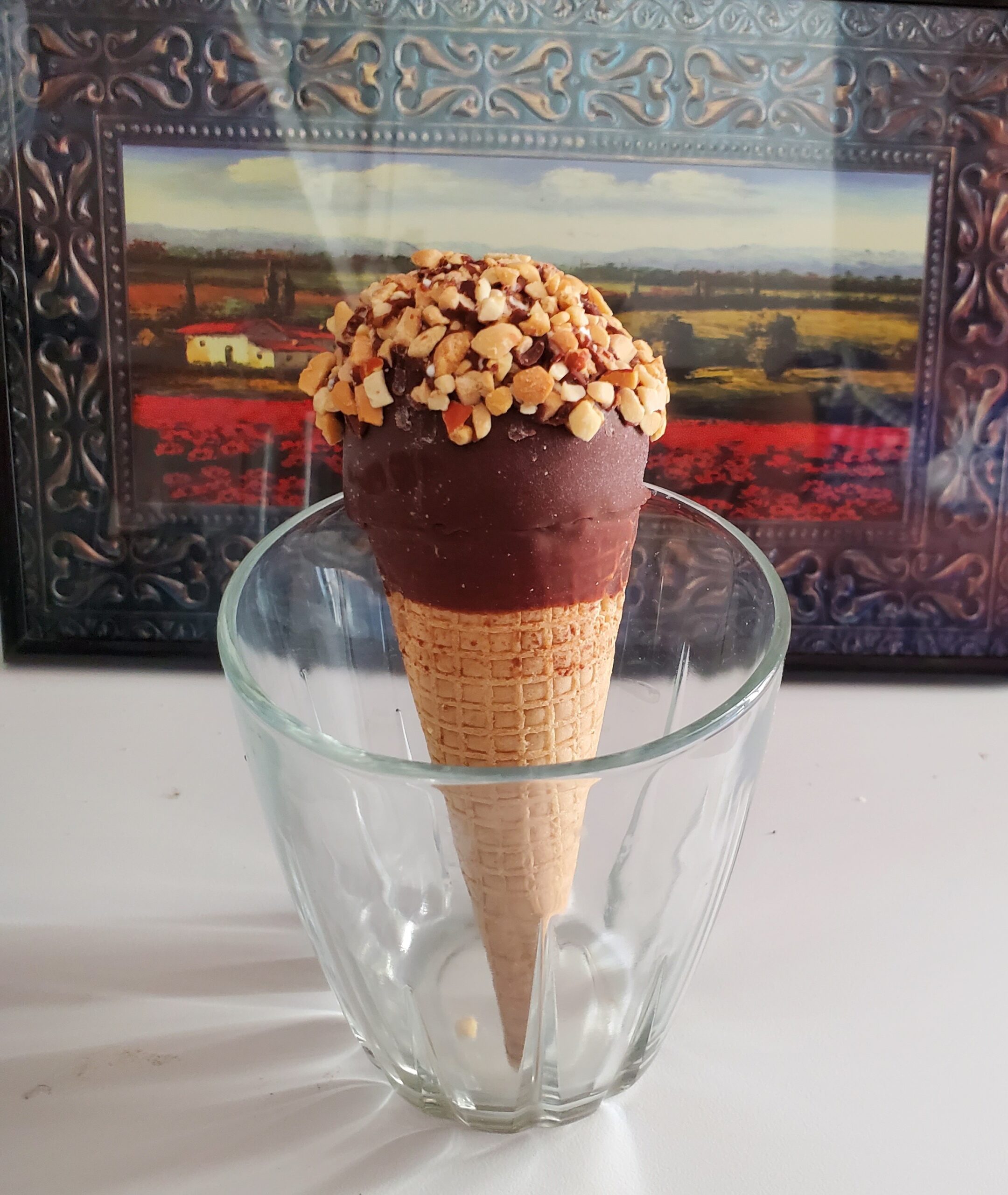
A visual writing prompt.

To help elemenatry students develop their writing muscles, early in the school year I introduce our daily sessions of 10 minutes of uninterrupted writing time. This is a very simple, yet effective strategy that can help students become comfortable with writing. I am all about helping students get over the hump of being reluctant writers! Our uninterrupted writing time leads into our main writing time.

I know that there are students who are already keen writers who will take the initiative to write independently and jump into a writing assignment as soon as it is given. This short burst of writing time is for all students, but especially for those who either struggle with writing, lack writing confidence, or just simply do not enjoy writing.
A visual writing prompt.

For the 10 minutes of uninterrupted writing time, students write on a self-selected topic. Before we start, I will remind them to consult the list of writing ideas that they generated on a previous day. As this is not writing that is intended for grading, students can have fun with it! Now, I have had a student say to me, “I don’t know what to write about!”, even after looking at their list. In response, I would say, they should write that they don’t know what to write about as many times as they can until an idea pops into their head. I know this sounds silly, but I have found that it does work! Students start out thinking it’s funny to write this silly sentence, but it is surprising how an idea will surface.

As students will be writing every day on a self-selected topic, they will either write something new each day or they will continue with a previous piece of writing. Either is fine as the intention is for students to be actively engaged in their writing, to stay focus for 10 uninterrupted writing minutes, and to build their writing muscles.
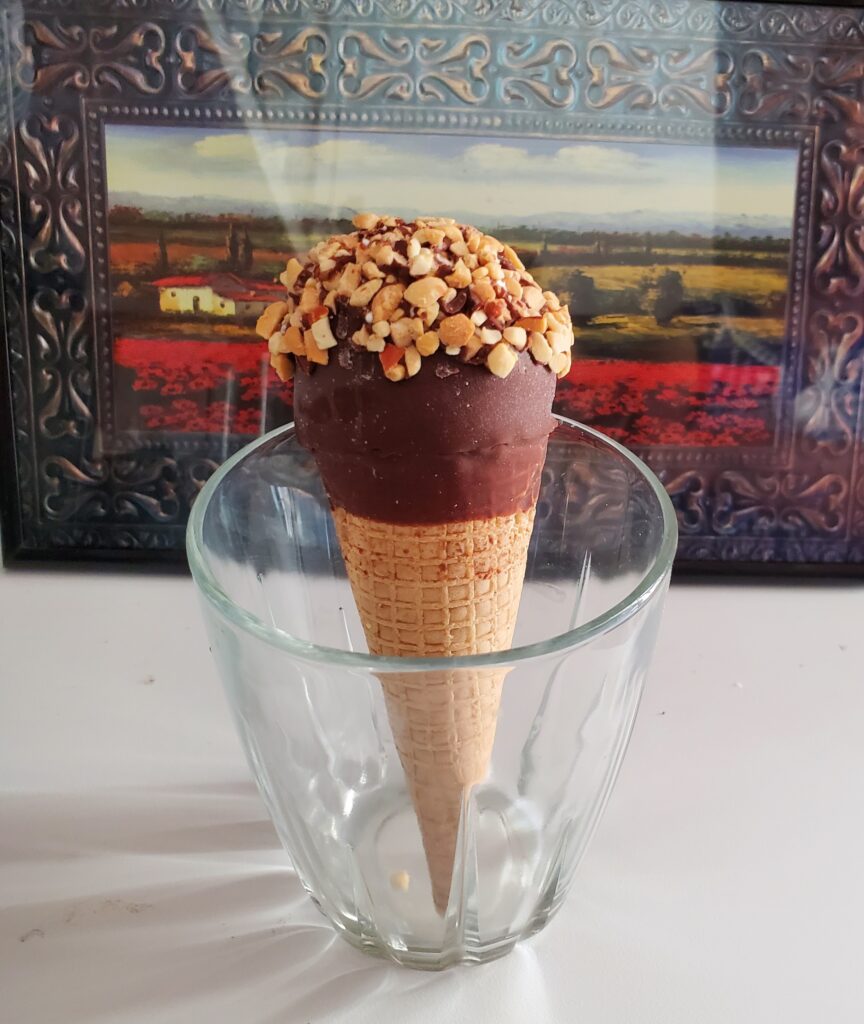
A visual writing prompt.

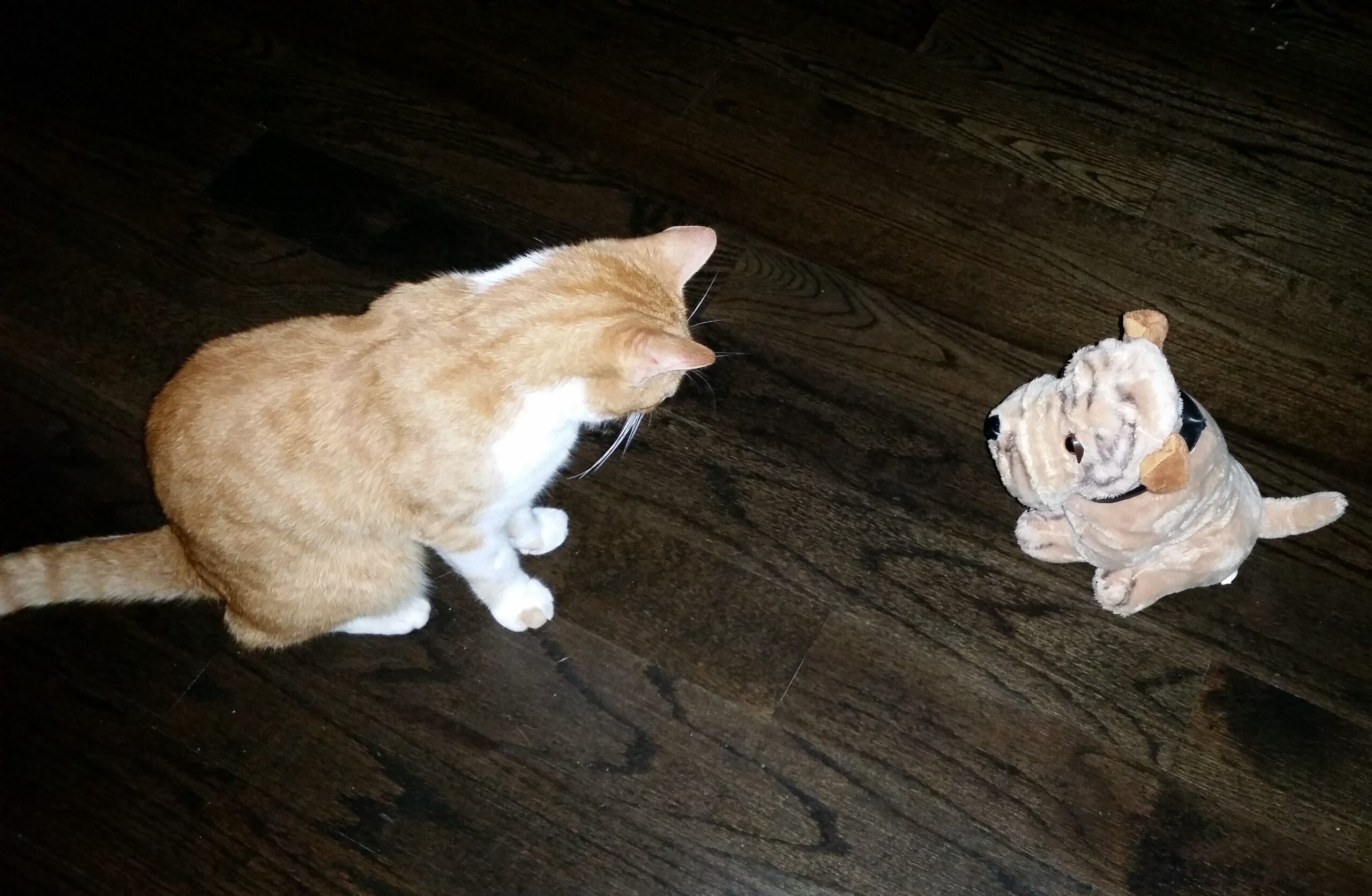
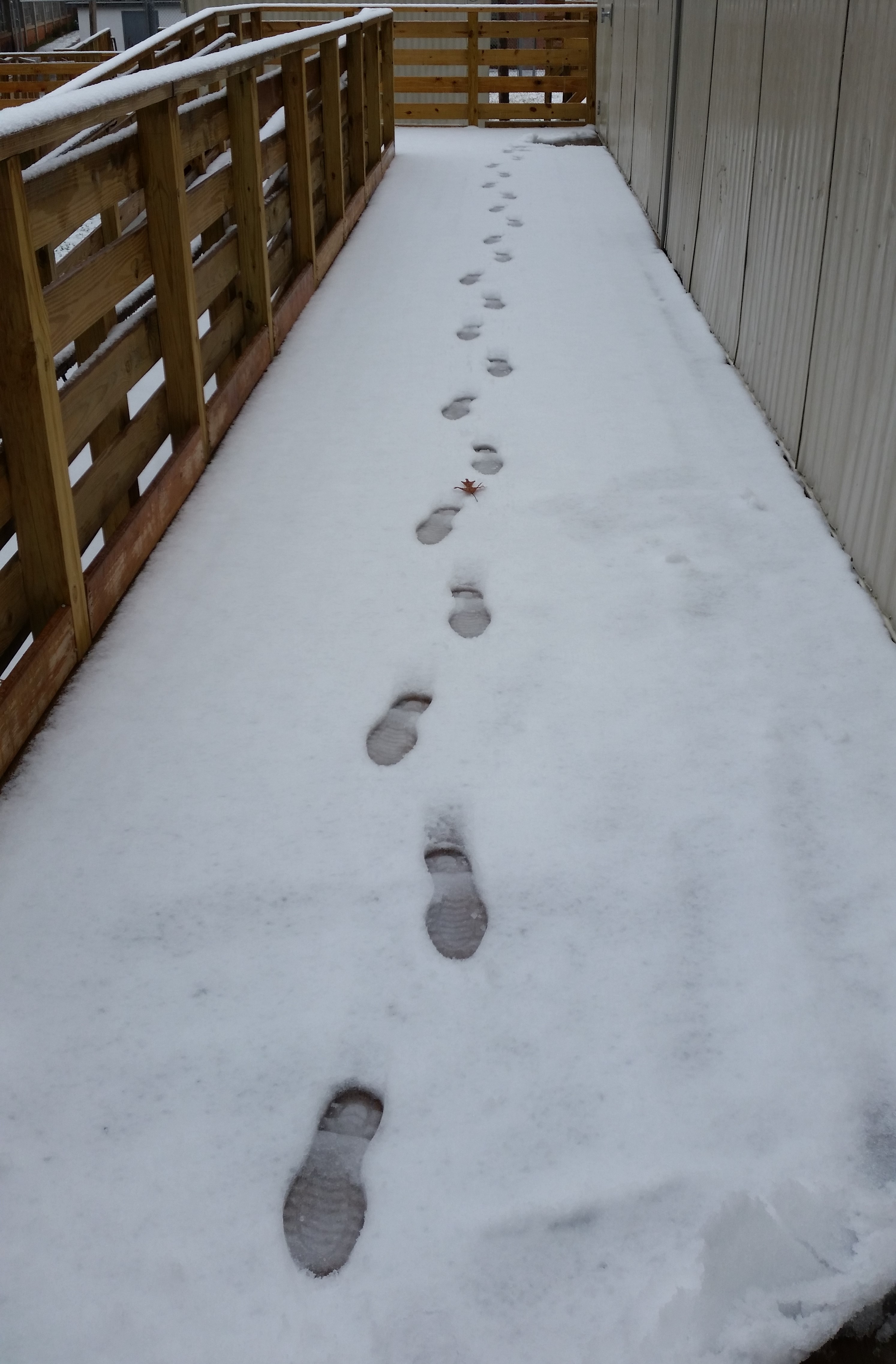
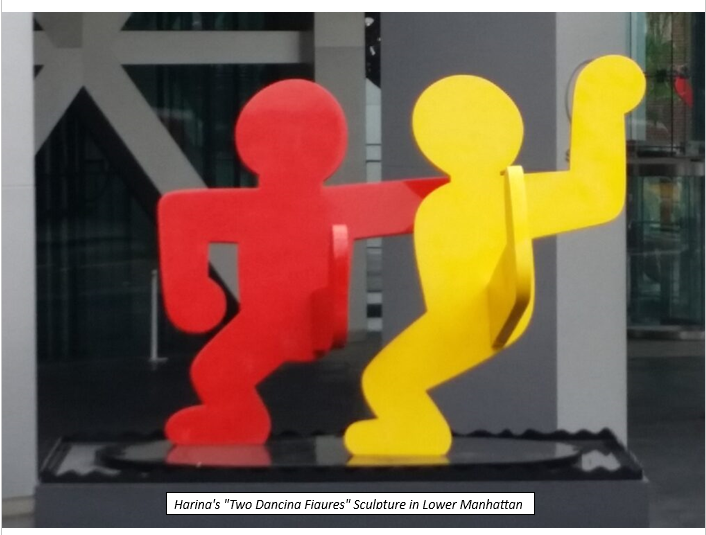
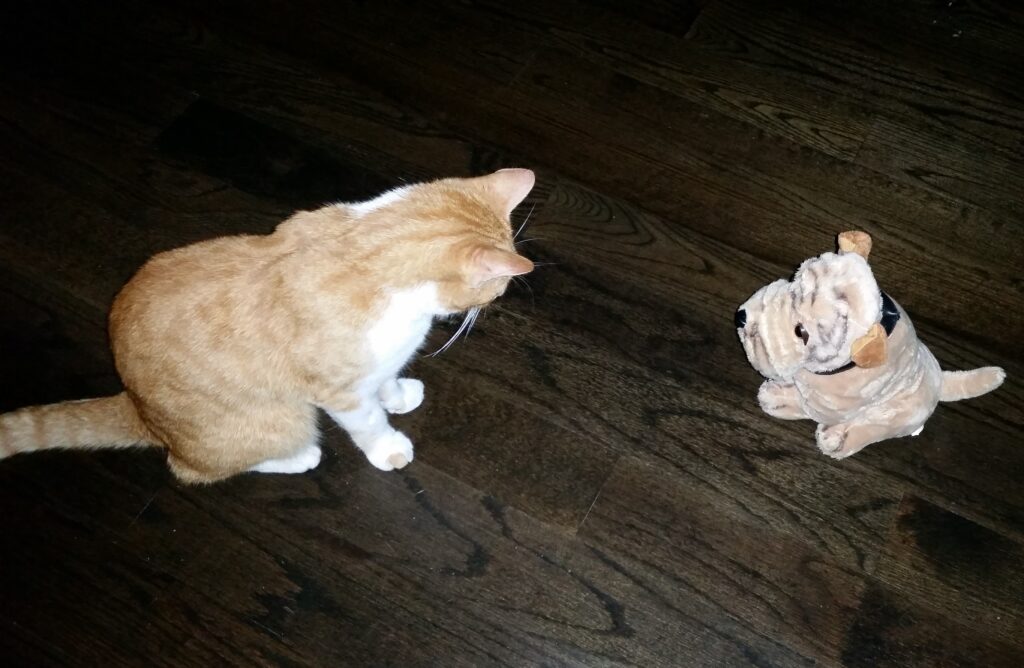
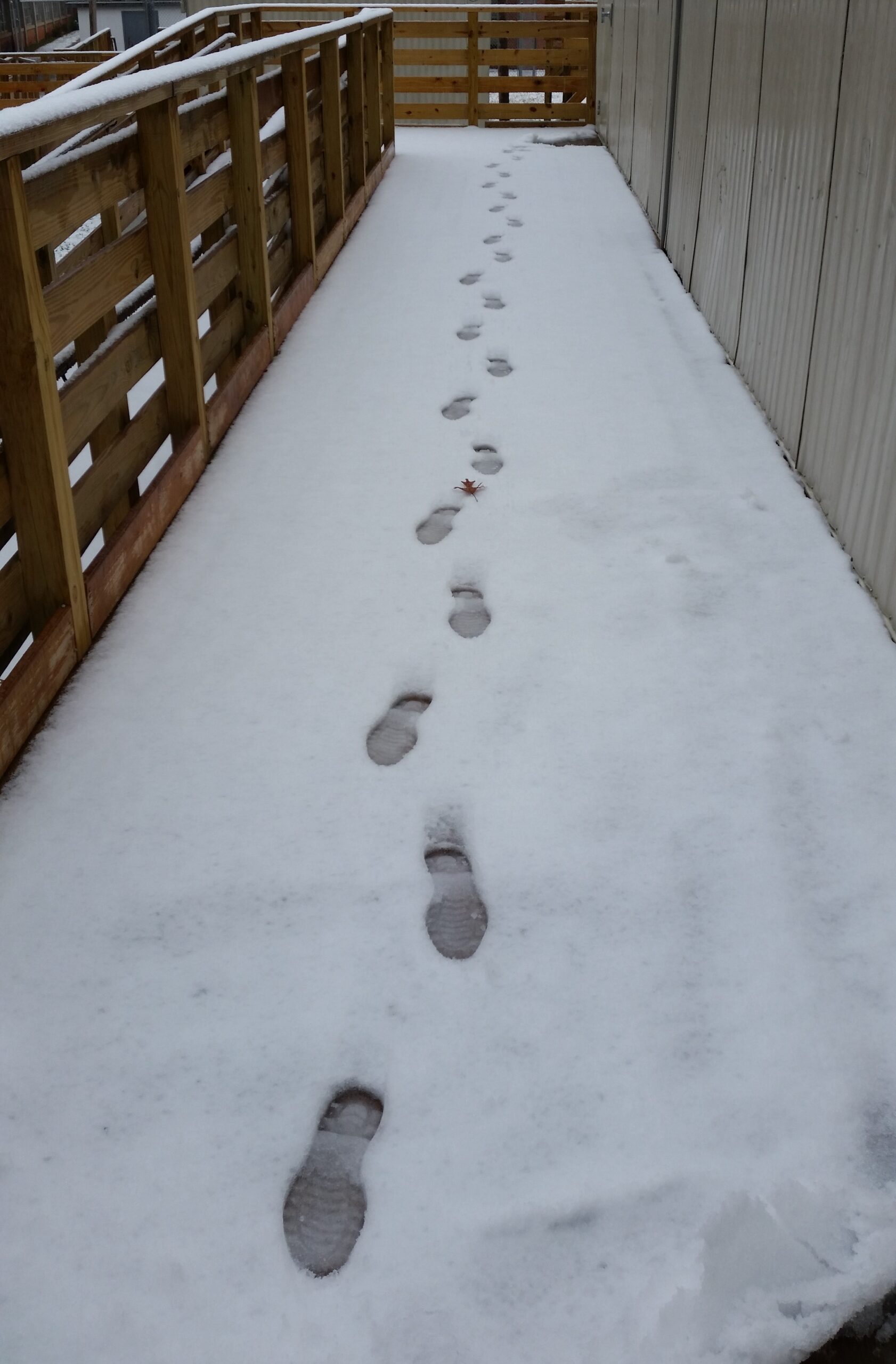
In addition to consulting their writing ideas list, a visual prompt could be displayed on a large screen. Students could write about the visual itself, use it for inspiration (Student: That’s interesting, but I’m going to write about . . .), or connect it to a personal experience (Student: Oh, that reminds me of . . .). Students could use the visual prompt or ignore it. The visual prompts in this post are available below.

A visual writing prompt.

Each day that we do 10 minutes of uninterrupted writing, I challenge the students to try and write more than they did the day before. This means, if they wrote 6 lines the previous day, can they double the amount today? (Enlarging the font size does not count!). Usually, students are very keen to rise to this challenge and will stretch themselves. Along with building writing stamina, I want students to aim to extend their writing over time.

Students can do their ten uninterrupted writing minutes in a physical writer’s notebook or an online writer’s notebook. I have found that there are two advantages to having students do this strategy online. First, students get to practice their keyboarding skills in preparation for online high stakes assessments. Second, the teacher can see students work immediately and give timely feedback. The biggest drawback to doing this in Google Docs is that it will auto correct and not give a true picture of how well students can construct sentences and their spelling ability. The auto correct can be turned off, but most students will be able to figure out how to turn it back on. So instead of focusing on sentence structures and spelling, I will focus on what it is students are saying in their writing. Sentence structures and spelling will be addressed later on.

For the 10 minutes of uninterrupted writing time to be successful, there must be a set time for it each day, students must have all their materials ready for writing before the ten minutes, everyone should know the expectations, and everyone should be writing, including the teacher.

After the 10 minutes, I will end the time by asking students if anyone would like to share their writing. I intend this to be a very quick share, so I only choose two or three students. Once a student has shared, I tried to make a short positive comment about something in their writing. When the class is new to the 10 minutes of uninterrupted writing time, I will share my writing first so students can become comfortable with sharing their work. As they develop their writing muscles, they become eager to share!

Happy Writing!

Sonia

P.S. Free downloads of the visual prompts that are in this post.
6 Read Alouds for Personal Narratives

At the beginning of the school year, I like my students to write personal narratives because I think this genre helps them to build their writing confidence as soon as we start talking about writing.  I tell my students that a personal narrative is a story that has happened to them. They are writing about things they already know!

Read alouds are one way to create discussions around personal narratives. They can be used to spark writing ideas that students can brainstorm in their writer’s notebooks, and students can make personal connections to the experiences of the characters and situations.  For example, after reading Wilfrid Gordon McDonald Partridge, students can discuss their own memories. They can write about the ones that mean the most to them.

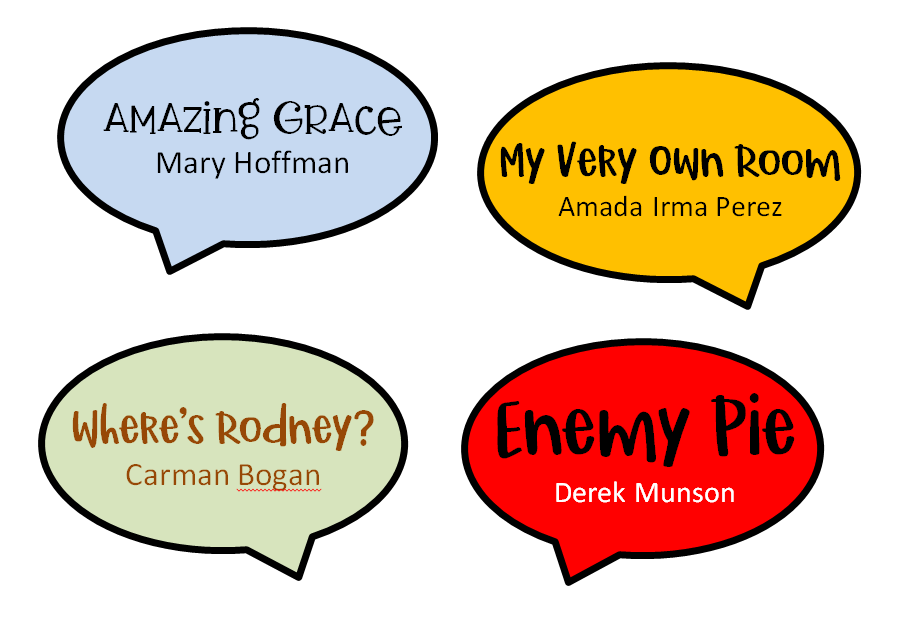
Here are 6 read aloud suggestions that can help you get started with your read aloud collection.

Wilfrid Gordon McDonald Partridge by Mem Fox

A small boy lives next door to an old people’s home.  Miss Nancy is his favorite person to visit at the home. He learns that she has lost her memory. He asks the people in the home, “What’s a memory?’ and gets lots of examples of things that make memories. He sets about to gather memories for Miss. Nancy. When he gives her his box of memories, Miss Nancy finds her memories.


My Very Own Room by Amanda Irma Perez

The author shares her experience of growing up in tiny, two bedroom house with a large family. In the story, she is almost nine years old and shares a room with her five little brothers. They often have visitors that make the house even more crowded. She longs for a room of her own where she can read, write and dream, but their house is too small. She spies a tiny closet and with her family she turns it into tiny bedroom just for her.

This story is told in English and Spanish.

Questions: Can students think of a time they really wanted something? Did they get it? How did it happen?     

Amazing Grace by Mary Hoffman

Grace loves stories and acting them out. She wants to play Peter Pan in the school play. One classmate thinks she cannot be Peter Pan because she is a girl. Another tells her that she cannot be Peter Pan because she is black.  Her family helps her overcome these opinions and she realizes that she can be anything that she wants. She auditions for the play and gets the part she desires.

Questions: Can students think of a time they were told they could not do something? How did they feel? Did they give up or did they persevere? How did things turn out?

Where’s Rodney? by Carmen Bogan

Rodney is easily distracted when he is in the classroom because he loves to be outside. The class is to go on a field trip but Rodney is not excited because he thinks he knows all about parks. In his experience, they are no big deal! When they go on the field trip Rodney is in for a big surprise. He is able to experience the outside like never before.

Questions: Can students think of a time when they were surprised by something they thought they knew all about? What happened?

Enemy Pie by Derek Munson

The main character has only one enemy, Jeremy Ross, and he wants to get rid of him. His dad tells him the fastest way for that to happen is for Jeremy to eat enemy pie. His dad offers to make the pie but for it to be successful, the two boys must spend the day together. The plan is put into action, but there is an unexpected outcome.

Questions: Can students think of a time of an unexpected friendship they made? What happened?

My Name is Sangoel by Karen Lynn Williams

Eight-year-old Sangoel is from Sudan. He is a refugee. He leaves the refugee camp with his mother and little sister for America. His name is very important to him because it is the name of his ancestors. In America, he learns the American way of life. Each time his name is said, it is mispronounced by everyone he meets, he quietly corrects them, but it continues. He begins to feel that he is losing his name and his identity. Then he gets an idea to help people understand how to say his name. His idea works.

Questions: Can any of your students identify with people either saying or spelling their name incorrectly? Do they correct them or do they just accept their pronunciation?  How do they feel about their name? Do they know the history of their name? Is their name connected to another person?

After hearing and discussing a specific reading aloud, students can spend a short time writing down their response to the reading in their writer’s notebook. They can develop these short responses at a later date.

Online Read Alouds

If you are unable to find a physical copy of the suggested read alouds, many of them can be found online. When choosing an online reading, select one that supports the way you want the story read and nothing is distracting from the reading. For example, I prefer online read alouds that show just the pictures and the text in the frame and you only hear the voice of the reader. I think Storyline Online does this very well! https://storylineonline.net/ Don’t forget to pause the story in the places you want students to have a thought about the text.

The primary focus at this point in the year is to have students learn how they can generate writing ideas for personal narratives. As the year goes on, these same read alouds can be referred to in discussions around story elements: characters, setting, plot, problem, solution, theme, and change. The constants reference to story elements will help students understand that these should be found in all stories including the ones they write.

Happy Reading!

Sonia