Tag Archives: Writer’s Notebook

Generating Writing Ideas

“I don’t know what to write!” is something that I have heard countless students say when they have been told that they could write on any topic of their choice. Some students would jump straight in with ideas flowing, while others sit not knowing where to start. Their uncertainty led me to think about ways students could be taught to generate their own writing ideas. Here are three strategies that I have found effective, and students have found engaging.

Strategy One
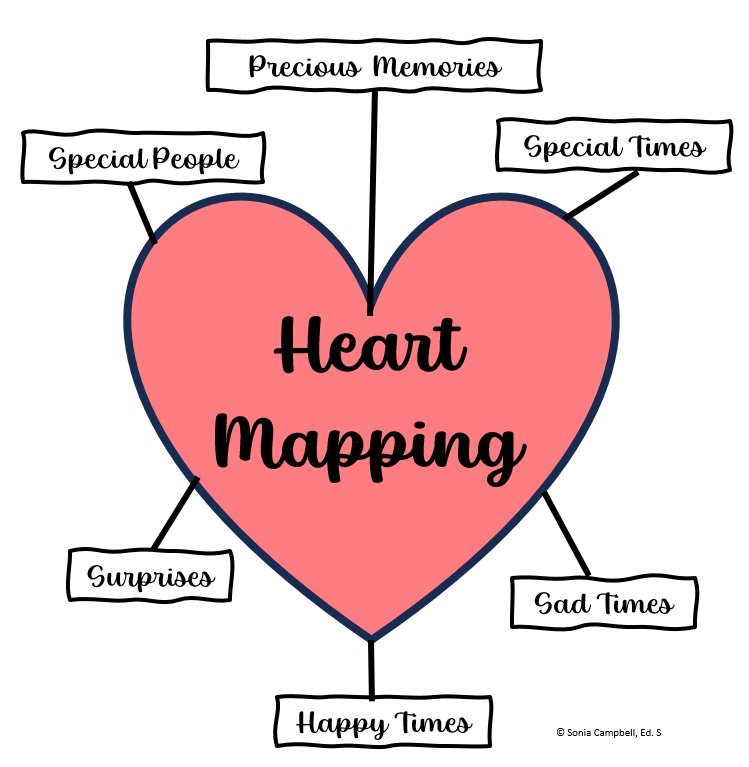
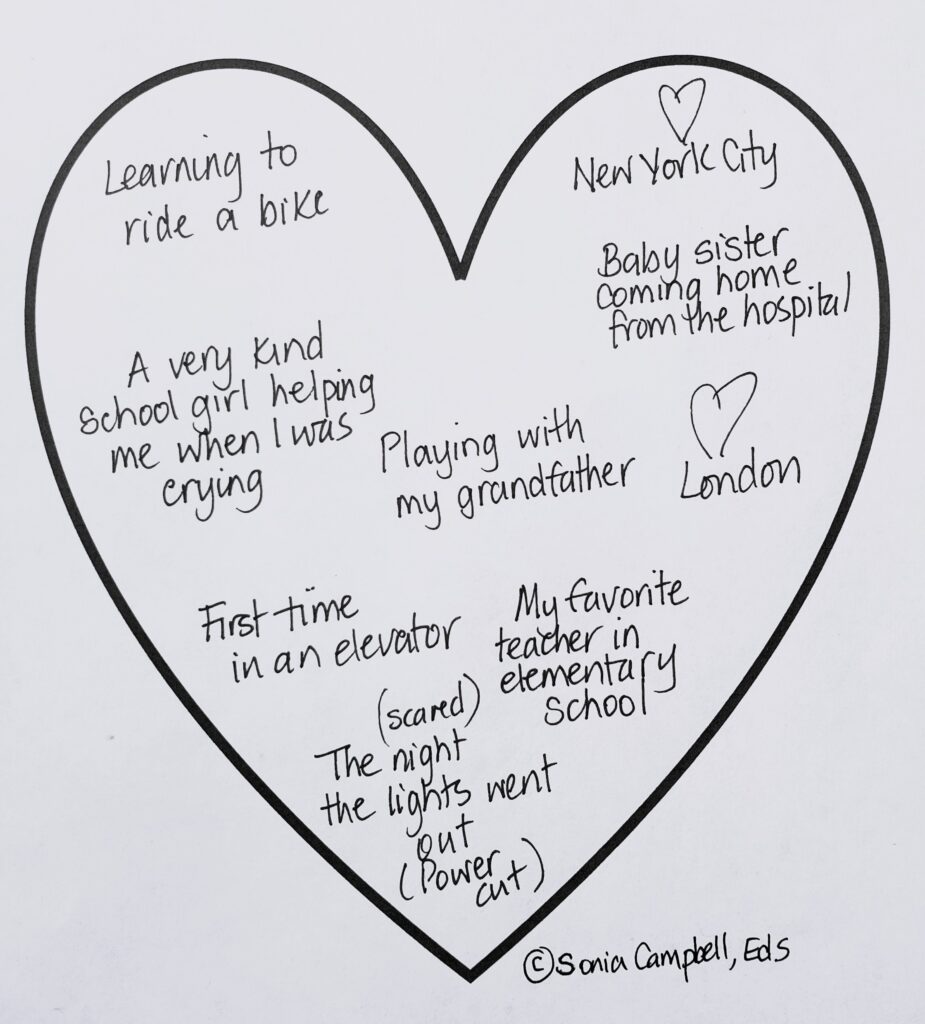
The heart mapping strategy shared by Georgia Heard in her book, Awakening the Heart: Exploring Poetry in Elementary and Middle School, is effective not just for generating ideas for poetry writing but also other types of writing.

Activity

Students draw the outline of a large heart in their notebooks, or they could be given a printed version to glue into their notebooks. In the center of the heart, students, in a few words or phrases, jot down their special memories, special people, and special events that mean the most to them.

Strategy Two

For this strategy, students create a running list of very broad writing ideas at the back of their writer’s notebooks.

Activity (Possible list ideas.)

Places they have visited.

Things they like to do.

Things they do very well.

First time they did something.

Accomplishments

Favorite foods

Favorite movies

Favorite sport stars

Favorite books

Strategy Three

This strategy is centered around visual prompts.

Activity
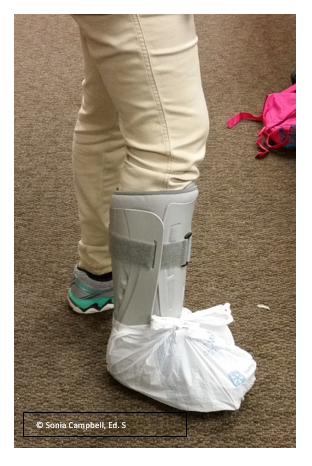
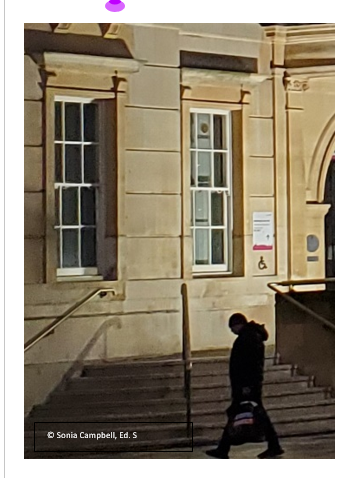
Students collect photos and pictures from various sources, e.g., magazines, the internet, etc. They are then glued into their writer’s notebooks. Students will collect the images that they find interesting. As they look at their images, they can create stories related to them. For example, they could imagine what happened before the picture was taken, what is happening in the picture, and what happened after the picture was taken. They can use their imagination to create characters and stories around the images.

Students now have a bank of possible writing ideas, and they have a starting point for when they are able to choose their own writing topics. They can add to the strategies throughout the school year.

Happy Writing!

Do You Have a Writer’s Notebook?

Writing teacher, as you create your writing world in your classroom, you want to be sure that you are not just observing your students writing but you are participating as a novice/developing/expert writer. (You decide the word that best fits you as a writer.) No matter what your perceived level, everyone is working on growing as a writer!

My Favorite Writer’s Notebook

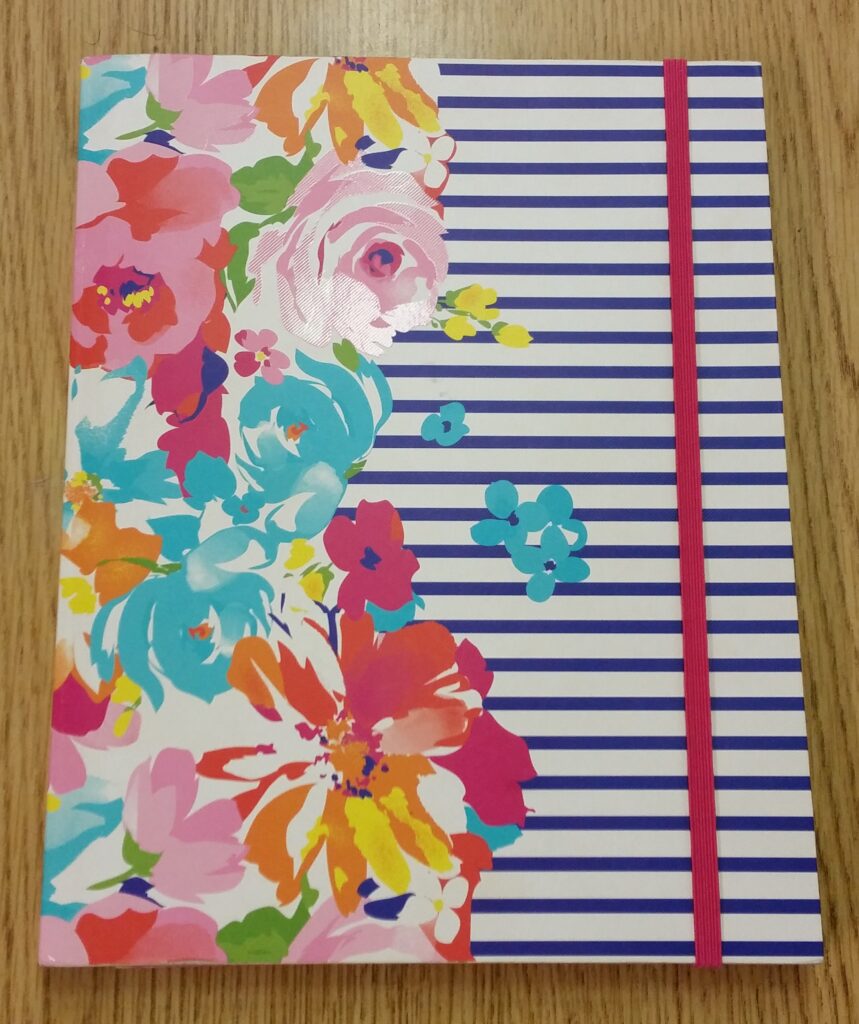
Like your students, you need to set yourself up for writing success by having your own writer’s notebook. Keeping a writer’s notebook will help you to see yourself as a writer and to build your confidence as a writing teacher. It can be a physical notebook or an online notebook. In this post, I am going to be referring to using a physical notebook because in some lessons I will use some of the work in my notebook to demonstrate or model different teaching points.

Having a writer’s notebook lets your students see that you are willing to write alongside them and show them how you work as a writer. In addition to this, as you do the same work, share writing strategies and specific writing skills, you will have more understanding of some of the writing difficulties that they experience, and how to address their individual needs.

You may feel uncomfortable with the idea of writing in front of your students, but do not let that put you off. I have felt the same way (and sometimes still do), but the more I write with my students the easier it gets. Remember, you are growing as a writer the same way they are. Seeing you write will encourage them to try new things in their writing!

As your students tackle different writing assignments, you should also try them. You do not have to complete all of them, you just need to write enough to demonstrate a specific teaching point. Also, keep in mind there will be some students who will have successfully mastered the skill or strategy. Their work can be shared with the rest of the class. I do recommend aiming to take some of your work to completion as it will help your students to see and understand the writing process. Which work to complete will probably depend on your writing unit. Maybe aim for at least one published piece for each genre you teach.

As you write in your writer’s notebook and share your writing successes and struggles with your students, you will be amazed at how it will inspire them. Try it and see what happens!

Happy Writer’s Notebook Hunting!

Sonia

5 Steps to Create an Online Writer’s Notebook

In the previous blog, I shared how students can personalize a physical writer’s notebook. This blog is about how students can create and personalize an Online Writer’s Notebook using Google Docs.

Step 1. The teacher should send each student a Google document with their name as the Google doc’s name. For example, Student name – Online Writer’s Notebook. This way you will already have their online writer’s notebook and it will be easy to find the students’ work once they start working.

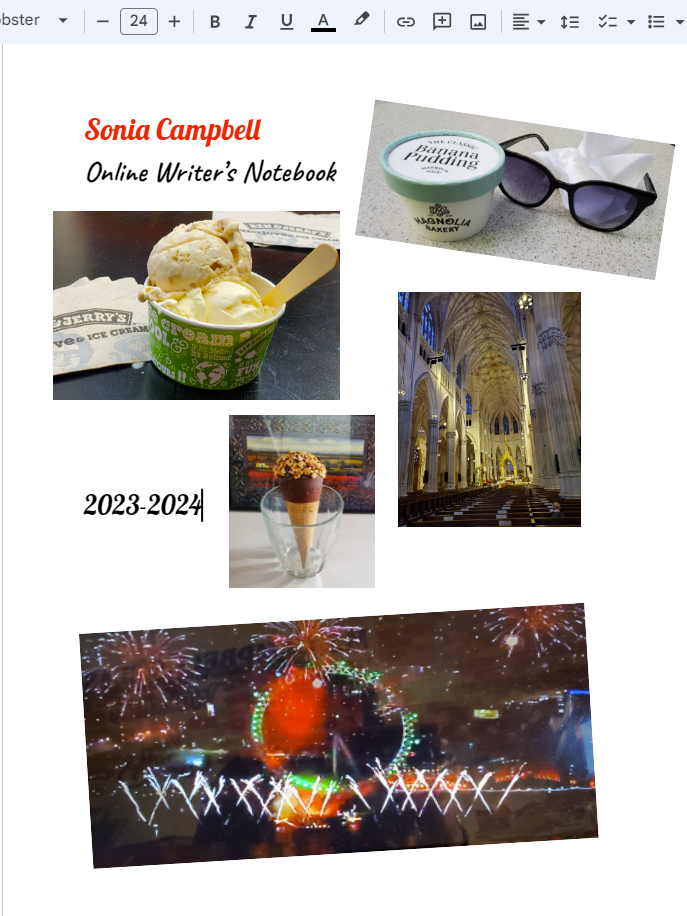
Step 2. Show students an example of the first page of an online writer’s notebook. This will be the “cover” for their notebook.

Online Writer’s Notebook Cover

Step 3. Have each student open their Google document. For this step, students will become familiar with the Google tool bar. You may want to demonstrate the tools that will be most helpful to them for this activity.

I recommend showing them . . .

How to access different fonts

How to change type size

How to bold letters

How to change letters to italics

How to underline words

How to change colors

How to undo/redo words or images

How to align text and images

How to insert images 

How to move images

Step 4. Very Important – As students will probably get images from the internet, be sure to check with your school’s media specialist for approved websites where students can get images that are not copyrighted. You want to avoid copyright infringement. This is also a good time to explain copyright Infringement to your students.

Step 5. Students will design their own Online Writer’s notebook covers. Encourage students to play around with different images, fonts, and colors. This can be a fun time!

This activity can be done in 1 – 2 sessions depending on how well students can navigate the tool bar, their chosen images, and their design ideas.

Physical Writer’s Notebook vs Online Writer’s Notebook

ConcernsPhysical Writer’s NotebookOnline Writer’s Notebook
Students keeping up with their notebooks.Students can carry their notebooks with them, but they have more of an opportunity to forget them or lose them.+ Most of the time students will have their Online Writer’s notebooks as they are using their laptops all the time.
Ease of checking students work.Students must turn in their books to the teacher.+ The teacher has instant access to all students’ work.
Timely feedback.For specific feedback, at a specific time, all books must be collected.+ The teacher can give quick feedback using the comment feature in Google Docs.
Changes in student writing.+ The student can use multiple pages to draft, develop, and edit ideas. They will be able to look back and see how their writing developed over a period of time.Students will make changes (develop, edit, etc.) to one document. Once they have deleted different parts of their writing, they have no way seeing how they improved their writing.
Grammar and Spelling+ Students will have to demonstrate in their writing their understanding of grammar and spelling. This gives a true picture of where the students need help in these two areas.Google Docs will autocorrect spelling and grammar. This can be turned off, but most students will probably know how to turn in back on.

As the teacher, you will have to decide which approach best meets your teaching style and your students’ needs. You may decide that your students will use physical writer’s notebooks and online writer’s notebooks because each will be for specific assignments.

Happy Creating!

Sonia

Keep Writing in View!

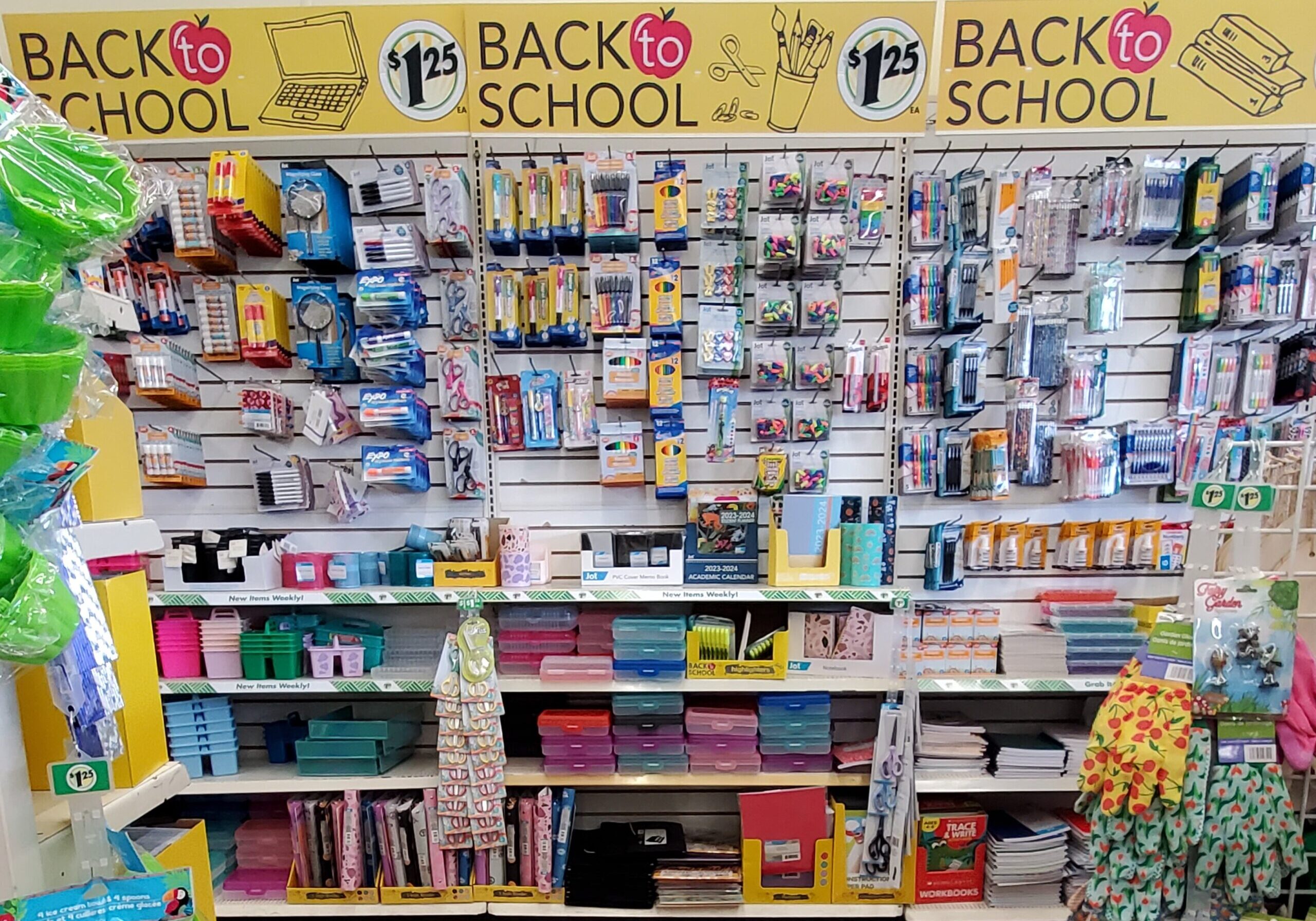
Back to school signs are everywhere.  I love these signs! They give me full permission to splurge on school supplies I like, both practical and impractical. Some I need and some just because they make me feel happy. Anyone else feel the same way?

Keep writing in view!  

Let’s talk about teaching writing to our students in grades 3-5. We know that the school year is going to be very busy, hectic, and maybe a little bit crazy. As we venture into the new school year, let’s decide to keep writing in view for the whole school year.

Where does the view start?

The view starts with thinking about where students will keep their big and little writing ideas. Over the years my students have always used physical writing notebooks, but for the past couple of years I have had my students create online notebooks. Both have strengths and weaknesses.

I believe that a writer’s notebook is a good place to start because as I have observed when students are given the opportunity to write self-selected topics, they’ll often say, “I don’t know what to write about!” In writing workshop students are encouraged to choose their own topics, which is great, but if they don’t know how to come up with ideas they’re lost. Before students can write anything, they need to have some ideas. They need to have writing ideas at their fingertips!

They should have their Writer’s Notebooks at their fingertips.

 I see a Writer’s notebook as . . .

  • a place to hold thinking, ideas and thoughts,
  • to try new things, a place to practice, to revisit ideas,   
  • a tool to support writing, and
  •  meaningful.

During the first week of school, I always center the first writing workshop lesson around students personalizing their individual writer’s notebook. In my next post, I will talk about how my students do this with their physical and online notebooks.

Happy Writing!